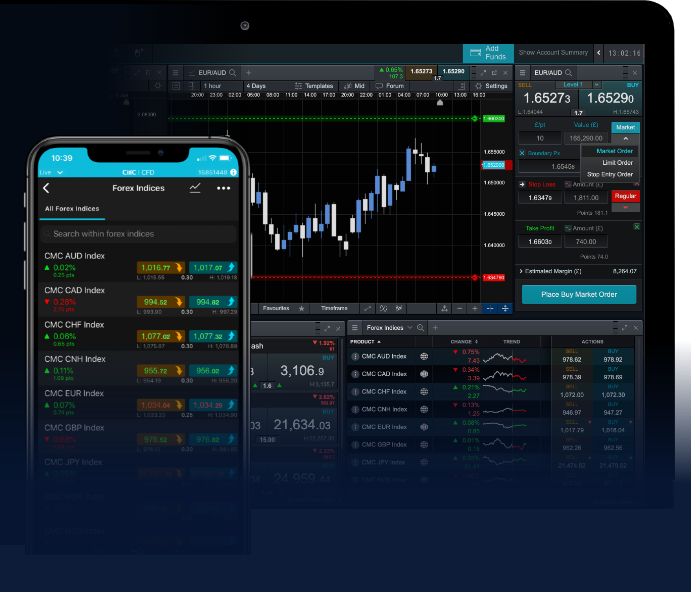
Successful forex trading is the pursuit of many aspiring investors and traders. The foreign exchange market (Forex) is the largest financial market in the world, with a daily trading volume exceeding $6 trillion. As opportunistic as it is extensive, the potential for profit in forex trading can, however, be difficult to realize for newcomers. In this article, we will explore practical strategies and essential tips to help maximize your forex trading profit Trading Platform QA forex trading profit.
Understanding Forex Trading
Forex trading involves the buying and selling of currency pairs in order to profit from fluctuations in exchange rates. Each transaction involves two currencies; for example, in the currency pair EUR/USD, you are trading the euro against the US dollar. Understanding the dynamics of currency pairs and the factors affecting their movements is crucial for maximizing profit.
The Importance of Education
Before diving into forex trading, it is essential to educate yourself thoroughly. Knowledge is your most valuable tool when navigating the complexities of forex markets. Beginners should start by familiarizing themselves with basic trading concepts, terminology, and market mechanics. The more informed you are, the better decisions you will make.
Numerous resources are available online, including articles, webinars, and courses. Many reputable trading platforms also offer educational materials to aid novice traders. Take the time to reinforce your understanding of key principles such as pips, leverage, margin, and order types. A sound educational foundation will help you approach the markets with confidence and can significantly improve your profitability.
Technical Analysis for Success
One of the cornerstones of successful forex trading is technical analysis, which involves using historical price data to predict future price movements. Traders employ various tools, such as charts, indicators, and patterns, to analyze market behavior. Understanding technical analysis can greatly enhance your trading strategy and help you make informed trading decisions.
Key tools utilized in technical analysis include moving averages, Relative Strength Index (RSI), and Bollinger Bands. Moving averages can help identify trends, while the RSI can indicate overbought or oversold conditions, offering insight into potential reversal points. By mastering these tools, you can better position yourself to capitalize on market trends and fluctuations.
Risk Management
One of the most critical aspects of successful forex trading is effective risk management. It is essential to protect your capital from significant losses, as the forex market can be highly volatile. A well-defined risk management strategy will not only safeguard your trading account but can also enhance your potential for profit.
Here are some key components of a robust risk management strategy:
- Position Sizing: Determine the appropriate position size for each trade based on your account balance and risk tolerance.
- Stop-Loss Orders: Implement stop-loss orders to exit a trade if it moves against you, limiting your potential loss on that trade.
- Take-Profit Orders: Set take-profit levels to lock in gains once a trade reaches your target price.
- Diversification: Avoid putting all your capital into one trade; diversify your trades across different currency pairs to spread risk.
Emotional Control and Discipline
The psychological aspect of trading is often overlooked but is instrumental in determining your profitability. The forex market can evoke strong emotions such as fear and greed, which can lead to impulsive decisions that jeopardize your trading account. Maintaining emotional control and practicing discipline is fundamental for long-term success.
Develop a trading plan that outlines your goals, strategies, and risk tolerance. Stick to your plan and avoid deviating from it in moments of heightened emotion. Incorporate routines, such as journaling your trades and reflecting on your performance, to foster self-discipline. Additionally, understanding that losses are a normal part of trading can help you approach the market with a balanced mindset.
The Role of a Trading Journal
Keeping a trading journal can be an invaluable tool for forex traders seeking to improve their profitability. A trading journal allows you to record and analyze your trades, helping to identify patterns and areas for improvement. Document details such as entry and exit points, trade duration, reasons for opening the trade, and outcomes.
By regularly reviewing your trading journal, you can detect recurring mistakes and refine your strategies accordingly. Continuous learning and adaptation are key to staying competitive in the ever-changing forex market.
Choosing the Right Trading Platform
The trading platform you choose can have a significant impact on your trading success. A good trading platform will offer a user-friendly interface, reliable execution speeds, and a range of tools and resources to aid your analysis. Look for platforms that provide educational resources, responsive customer support, and a diverse range of currency pairs.
Consider utilizing demo accounts that many trading platforms provide. A demo account allows you to practice trading in a risk-free environment, using virtual funds to familiarize yourself with the platform’s features before committing real capital.
Conclusion
Maximizing your forex trading profit requires a blend of education, strategy development, risk management, and emotional discipline. By investing in your knowledge and implementing these strategies, you can increase your chances of achieving consistent profits in the forex market. Remember, trading is a journey that involves continuous learning and adaptation. Approach it with patience and persistence, and you’ll find yourself on the path to becoming a successful trader.